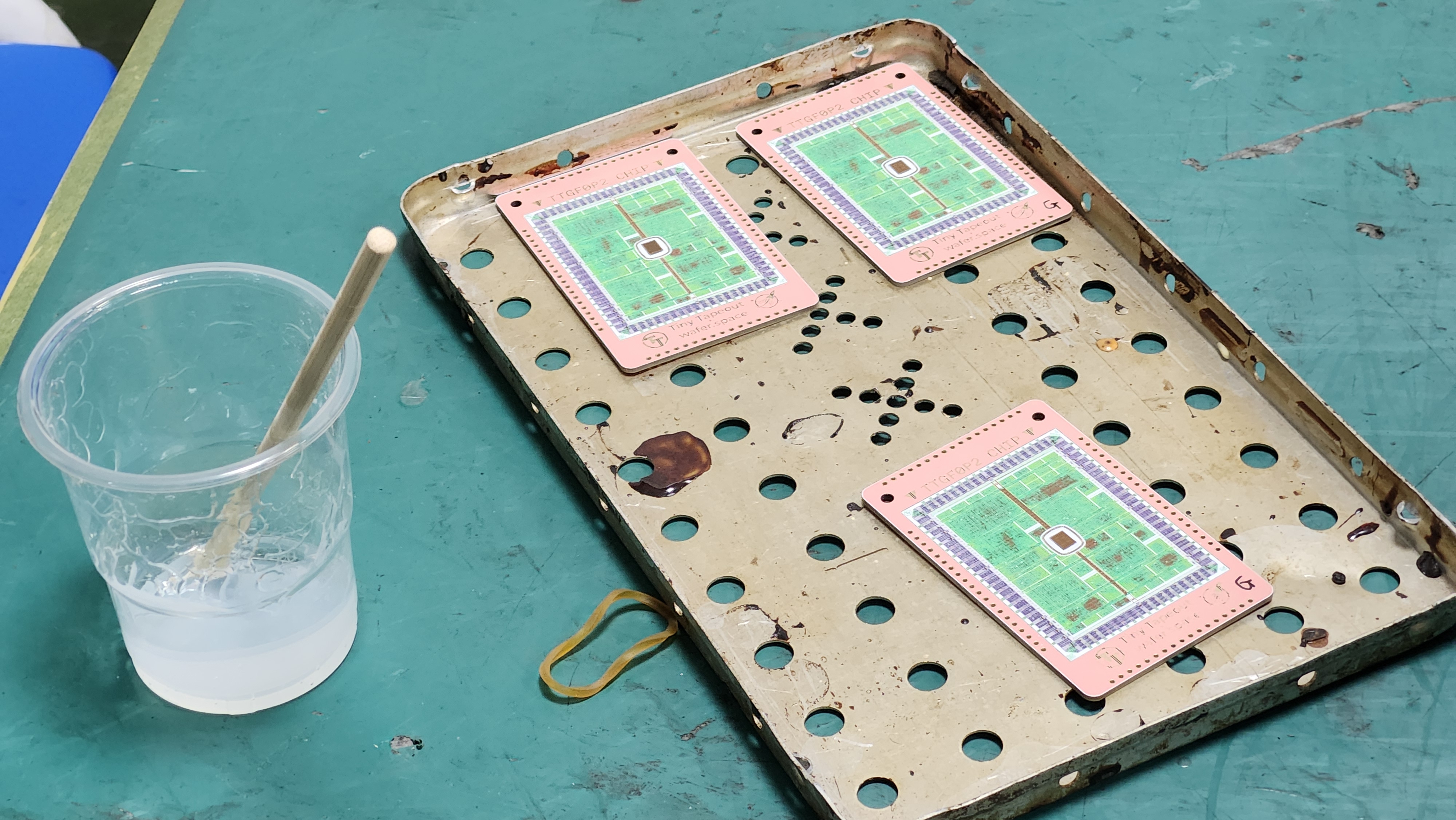
A look behind the scenes of open source silicon swag made in collaboration with Tiny Tapeout.

Budget silicon manufacturing.
Posts tagged with "gf180mcu"
Read More
SRAMs on Open Source Sil...
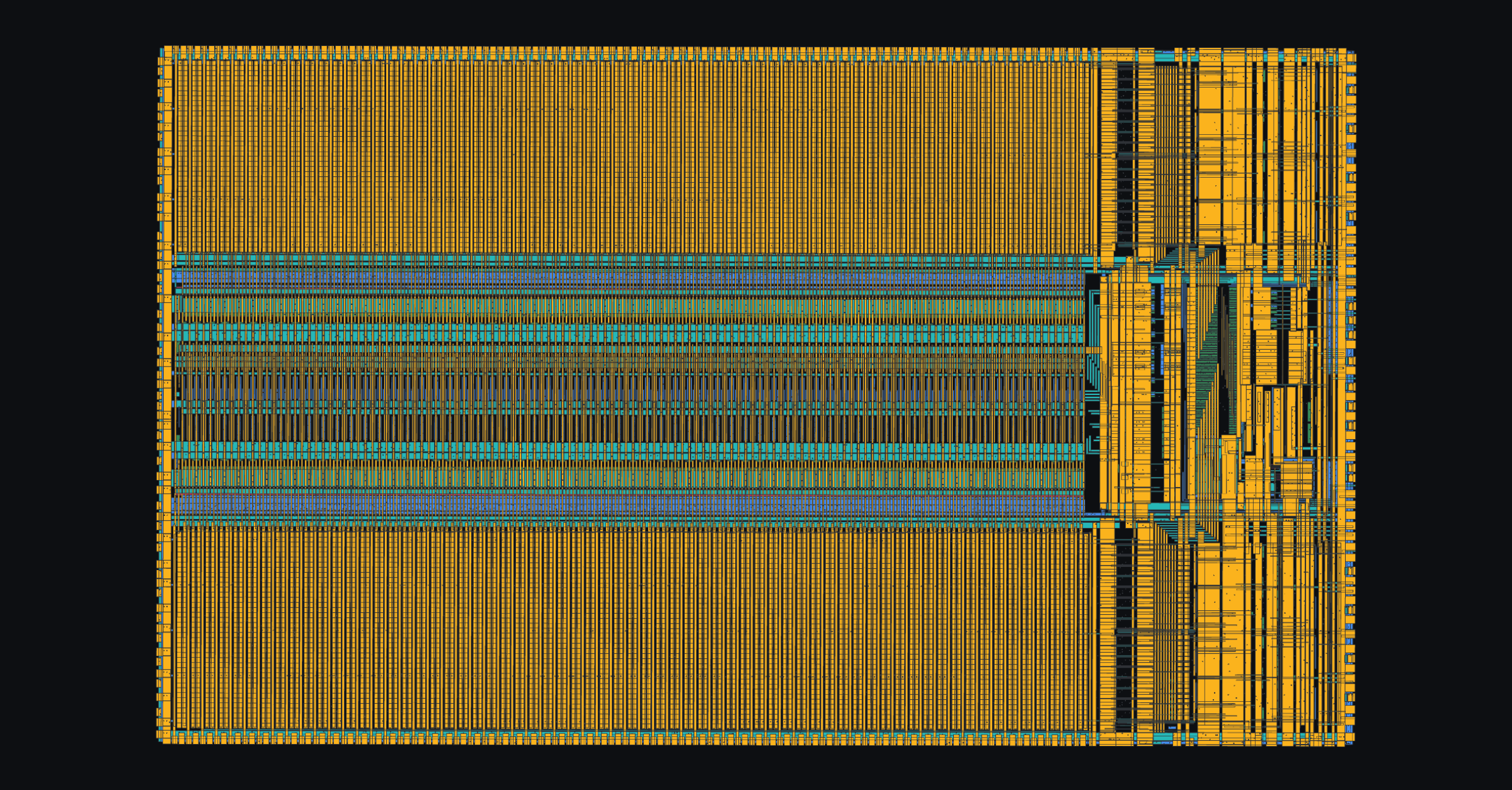
In November 2022, three months after the GF180MCU PDK was made open source, someone on the open source silicon forum posted a complaint: 'Holy cow, these gf180 SRAM are huge compared to the sky130 ones.'
Read More
A Need for Speed: Tholin...
Performance -- an elusive metric that is influenced by everything the chip consists of, and more. The HDL that defines it, the way it is logically laid out, to the tiniest splattering of a chemical on the wafer, and the...
Read More
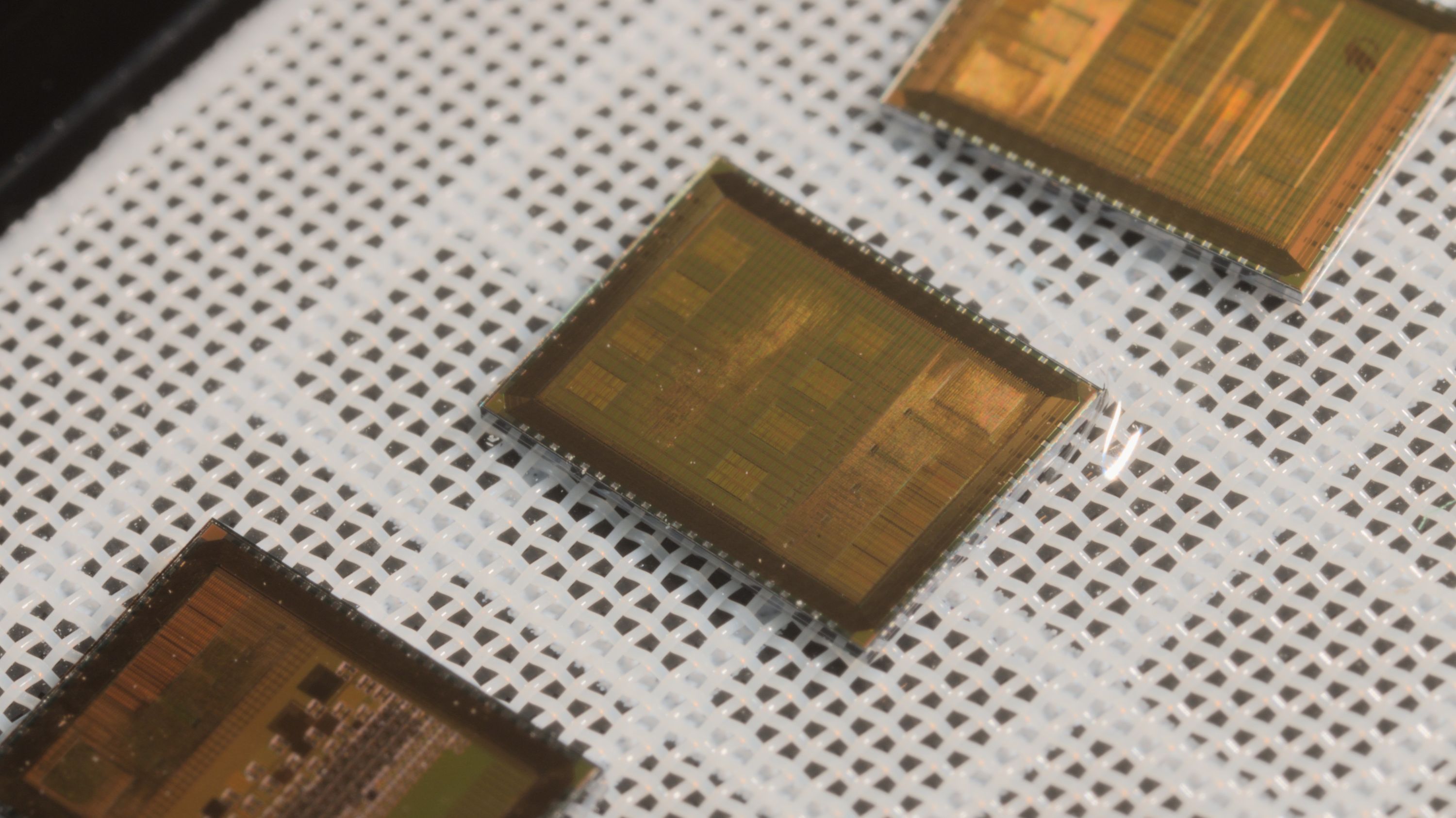
Testing Dies
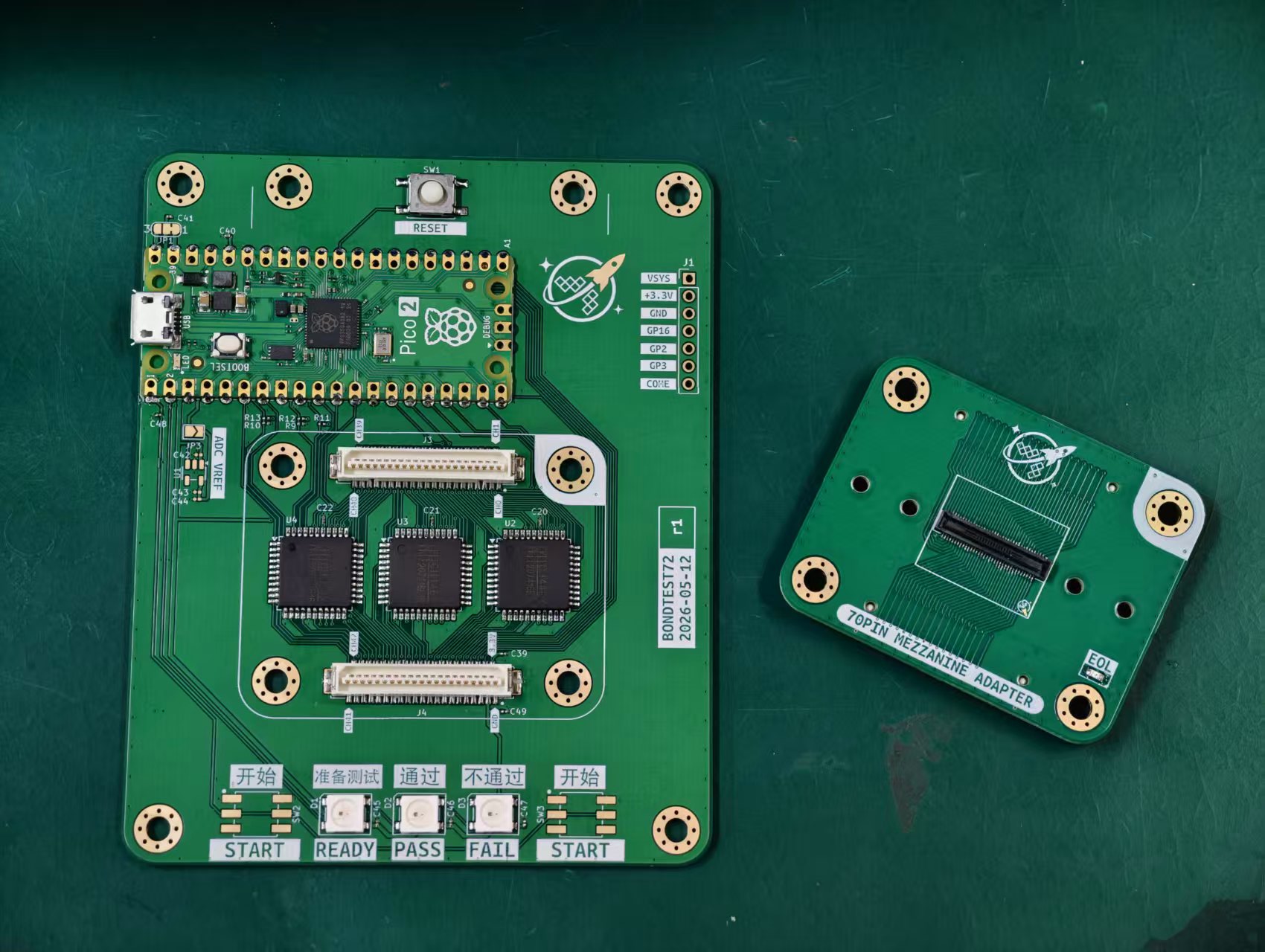
With thousands of dies being produced in each run, and with every project being unique, how can we make sure that you get the best results and yield?
Read More
Run #3 Early Bird Pricin...
We're now entering the final week of the early bird promotion -- don't miss your chance to save on your tape out on Run #3.
Read More
Run #3 1x1 Slots Gone
All of our full-sized slots are gone for this run — thank you for supporting us :)
Read More
GF180MCU Run 3 is Here!
Run 3 is finally here -- featuring improved tools and a new slot size.
Read More
GF180MCU Run 3 is Coming!
GF180MCU Run 3 is coming! Featuring a new slot size and $2/die prices.
Read More
Run 2 Deadline Update an...
Run 2 is finally here with major improvements and early-bird pricing.
Read More
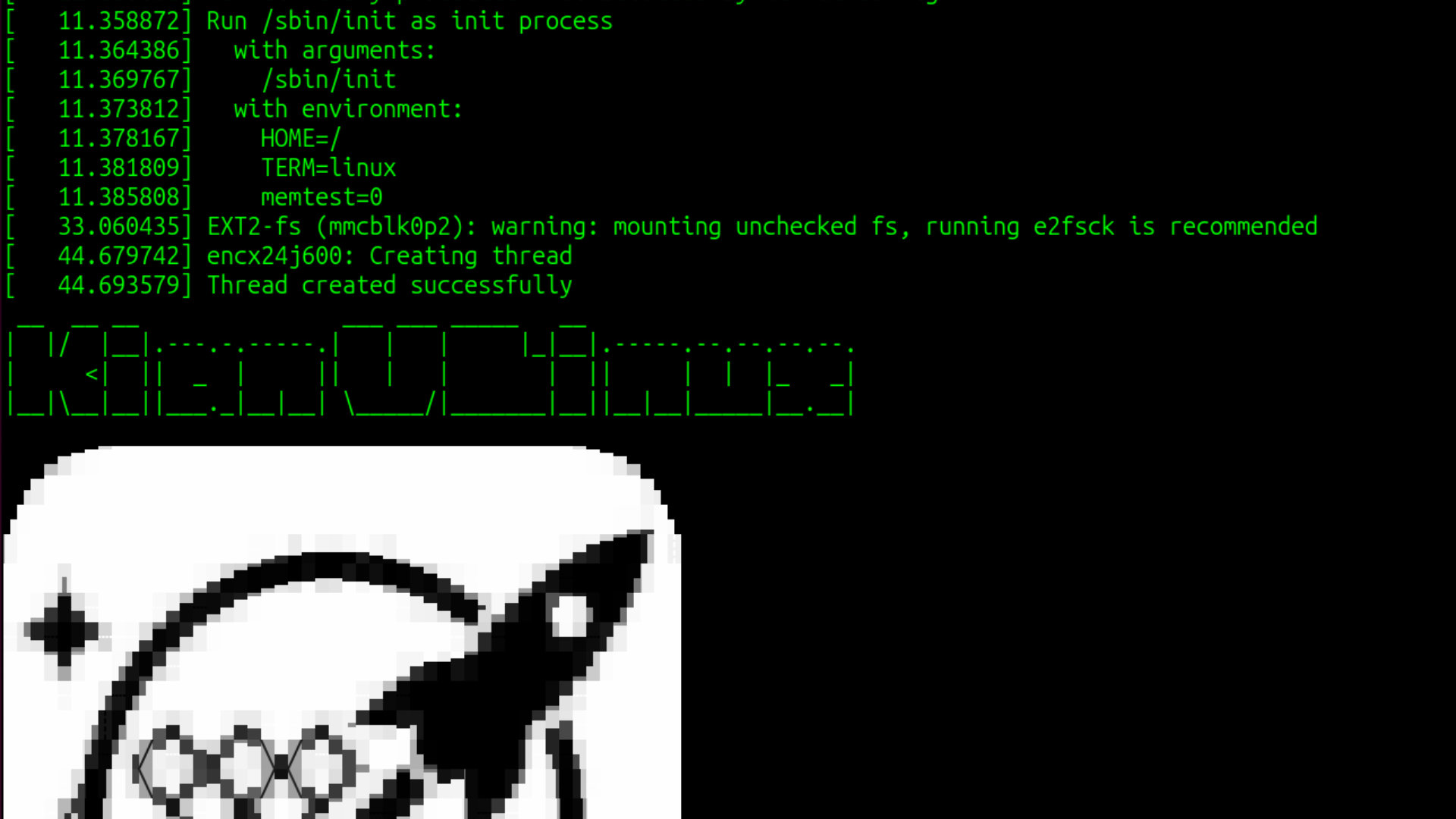
Taping Out KianV - a Lin...
KianV is a RISC-V SoC capable of running µLinux, Linux, and XV6. Taped out using a fully open-source ASIC flow.

Read More
Chip-on-Board Packaging ...
Run 1 bare dies have shipped. Now we are working through chip-on-board packaging for customers who ordered that add-on.

Read More
Die Sorting with Robots
The Run 1 wafers are diced and the individual dies can now be sorted. Here is a look at the process.

Read More
Run 1 Wafers Have Arrived
After 12 weeks at GlobalFoundries, the Run 1 wafers have been manufactured and returned. Your designs are now real silicon.
Read More
GF180MCU Run 2 is Here!
Run 2 is finally here with major improvements and early-bird pricing.
Read More
GF180MCU Run 2 is Coming!
GF180MCU Run 2 is coming! Multiple slot sizes, improved DRC, better tooling, and early-bird pricing for Run 1 backers.
Read More
Less than 48 hours to go!
Less than 48 hours remain in the first shuttle campaign! If you hope to be on this shuttle, place your order now.

Read More
Tiny Tapeout
wafer.space is excited to have a Tiny Tapeout test design on our first shuttle! Tiny Tapeout has enabled thousands of people to create their own digital and analog designs.

Read More
We Have Some Amazing Pro...
This week we highlight MOSbius, an educational platform from Columbia University bringing hands-on silicon learning to students worldwide.

Read More
We Have Some Amazing Pro...
Our first shuttle run includes incredible projects. We highlight Tholin and Avalon Semiconductors: an open reimplementation of the historic Signetics 2650 microprocessor.

Read More
Community Progress on Ch...
The wafer.space community is developing a flexible chip-on-board packaging strategy, so you won't need specialised equipment or expensive packaging services to use your chips.

Read More
Campaign Update: Buildin...
Wonder what you can do with GF180MCU? Mehdi's OpenFASoC design creates a finger flex sensor, complete with an IEEE paper containing real silicon characteristics and analog blocks reusable for your own design!

Read More
Understanding wafer.spac...
A collection of interviews, articles, and podcasts that explain the wafer.space mission.

Read More
Professional Design Supp...
Professional paid engineering services are available if you want to accelerate your timeline, get expert review, or have someone handle parts (or all) of your design.

Read More
Easier Design Flow: Libr...
Get started faster with the LibreLane gf180mcu template: ready-to-use tooling so you can focus on what your chip does, not build infrastructure.
Read More
GF180MCU Run 1 is Live!
The wafer.space GF180MCU Run 1 campaign is live on Crowd Supply! $7k gets you 1,000 dies from GlobalFoundries' GF180MCU process.