RISC-V
KianV RV32IMA#
RISC-V SoC running Linux on GF180MCU

Budget silicon manufacturing.





New quarter slot (0.5×0.5) option — 1,000 dies for $2,000 with Early Bird pricing.
See Quarter Slot PricingLock in early bird pricing for GF180MCU Run 3
days
hours
minutes
seconds
| Milestone | Date | Description |
|---|---|---|
| Campaign Opens | 1 August 2026 | Run 3 slots available for purchase on Crowd Supply |
| Early Bird Deadline | 30 September 2026 @ 11:59 PM AoE | Last day to purchase at early bird pricing |
| Purchase Deadline | 9 December 2026 @ 11:59 PM AoE | Final deadline to purchase slots |
| Submission Deadline | 16 December 2026 @ 11:59 PM AoE | Final deadline to submit clean GDS |
| Parts Shipped | Q2 2027 | Bare dies and packaged parts shipped to customers |
Professional design services are available from independent consultants experienced with the GF180MCU process. Whether you need a full custom design, help with verification, or guidance on your first tapeout, experts are ready to assist.
| Feature | 1×1 Slot | 0.5×1 Slot | 1×0.5 Slot |
New! 0.5×0.5 Slot |
|---|---|---|---|---|
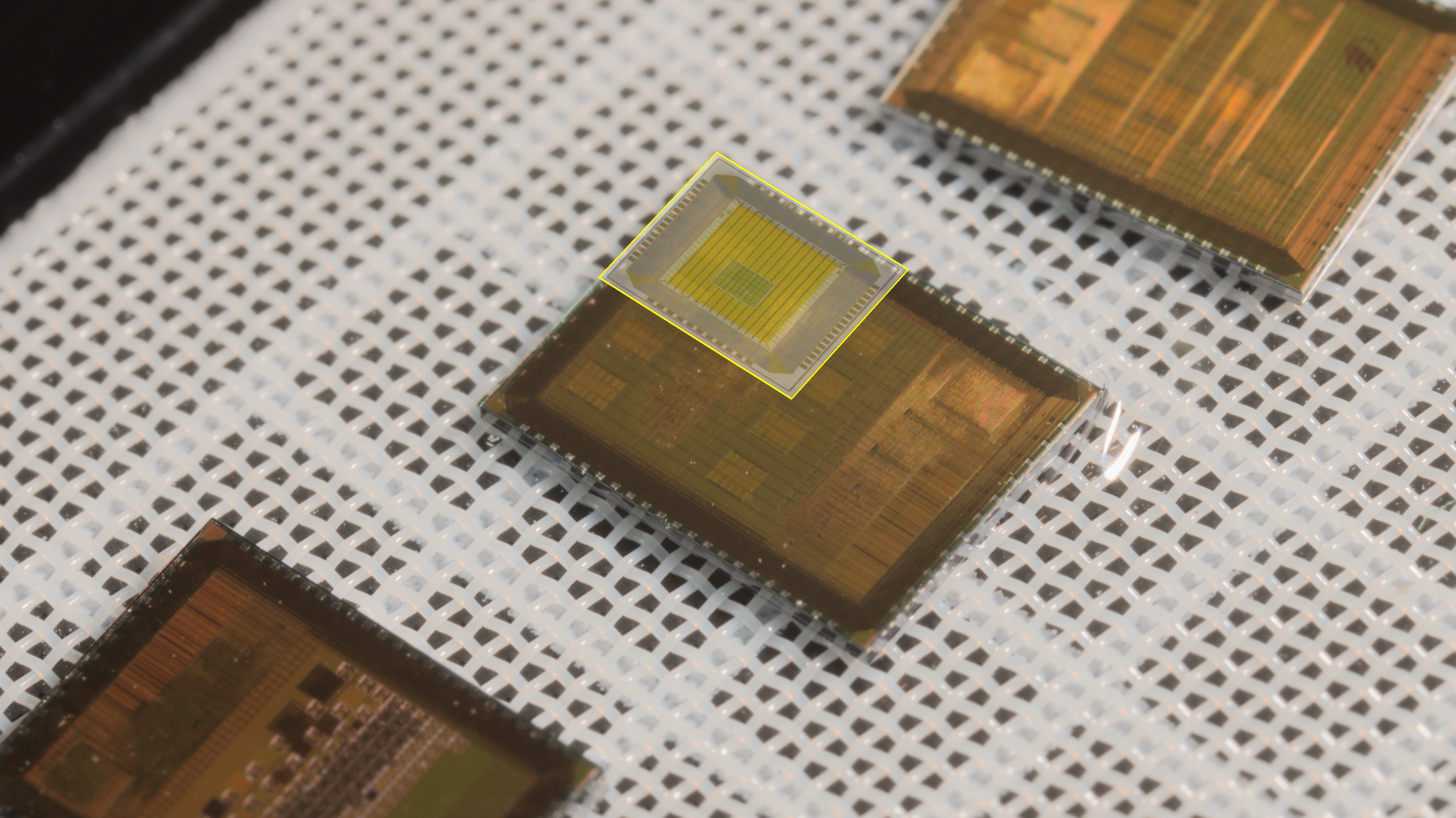
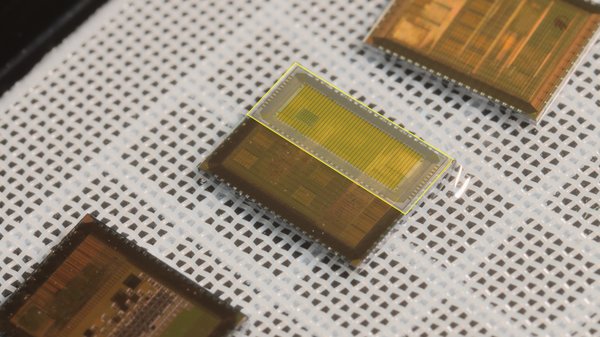
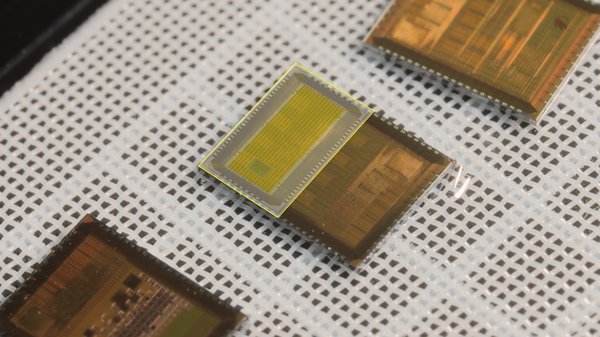
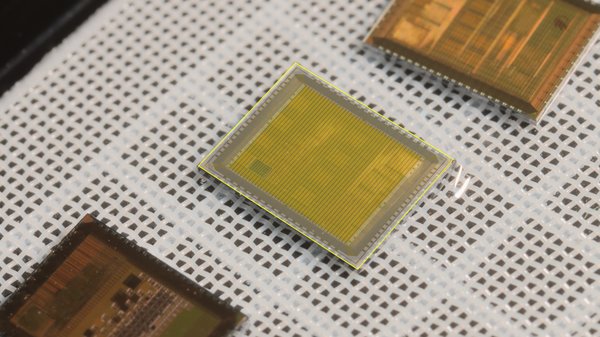
| Die Size | 3.93 × 5.12 mm | 1.94 × 5.12 mm | 3.93 × 2.53 mm | 1.94 × 2.53 mm |
| Die Area* | 20.12 mm² | 9.93 mm² | 9.94 mm² | 4.9 mm² |
| Core Area† | 12.92 mm² | 4.46 mm² | 5.02 mm² | 1.73 mm² |
| Default I/O Pads‡ | 56 | 56 | 56 | 48 |
| Max I/O Pads§ | 168 | 122 | 108 | 48 |
| Early Bird Price | $7,000 | $4,000 | $4,000 | $2,000 |
| Standard Price | $8,000 | $5,000 | $5,000 | $3,000 |
| Per Die (Early Bird) | $7.00 | $4.00 | $4.00 | $2.00 |
*Usable die area is smaller due to the seal ring (~26µm each side). Available with a custom pad ring or no pad ring.
†Core area = area inside the default pad ring.
‡Default pad ring I/O count. The default pad ring is only required if you purchase the Chip on Board packaging add-on.
§Maximum I/O with a custom pad ring from the LibreLane pad ring generator. You are free to use any pad ring configuration — or no pad ring at all.
The quarter-size (0.5×0.5) slot is the smallest out of the bunch, but offers an unbeatable price point for prototyping designs without paying for silicon you do not need.
The half-width (0.5×1) slot delivers a tall, narrow die — ideal for I/O-heavy designs where signals concentrate along the long edges. Perfect for medium-complexity digital or mixed-signal projects, at just over half the cost of a full slot.
The half-height (1×0.5) slot gives you a wide, short die — ideal for designs that benefit from a wider core. Offers slightly more core area than the half-width slot at the same price.
The full-size slot gives you the largest die area and maximum I/O count. Ideal for complex SoCs, full mixed-signal designs, or projects that need the most routing and core area.
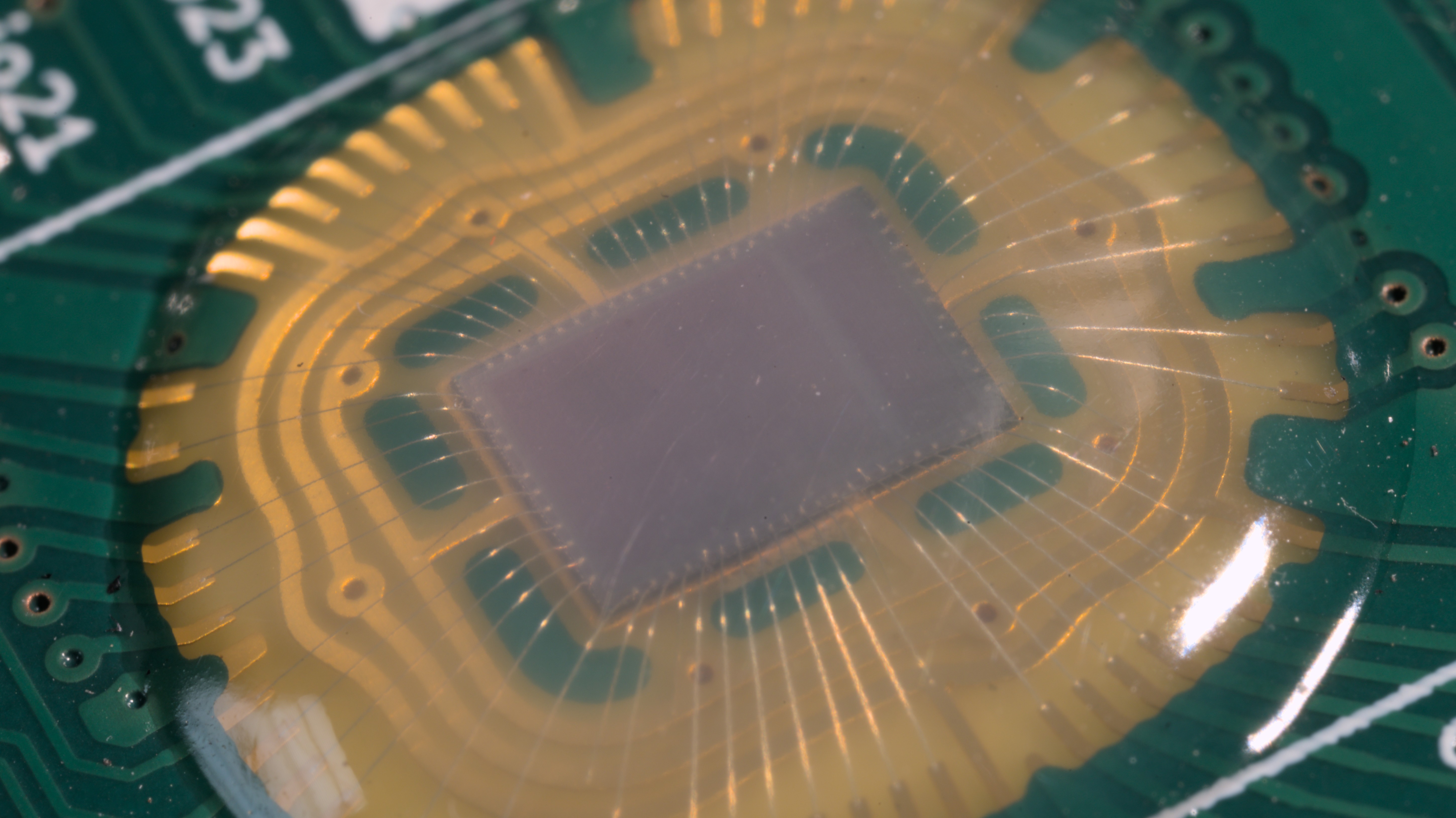
Receive your dies wire-bonded onto small PCBs, ready for testing and integration.
Add-on to any slot purchase. Requires the default pad ring.
Add to Order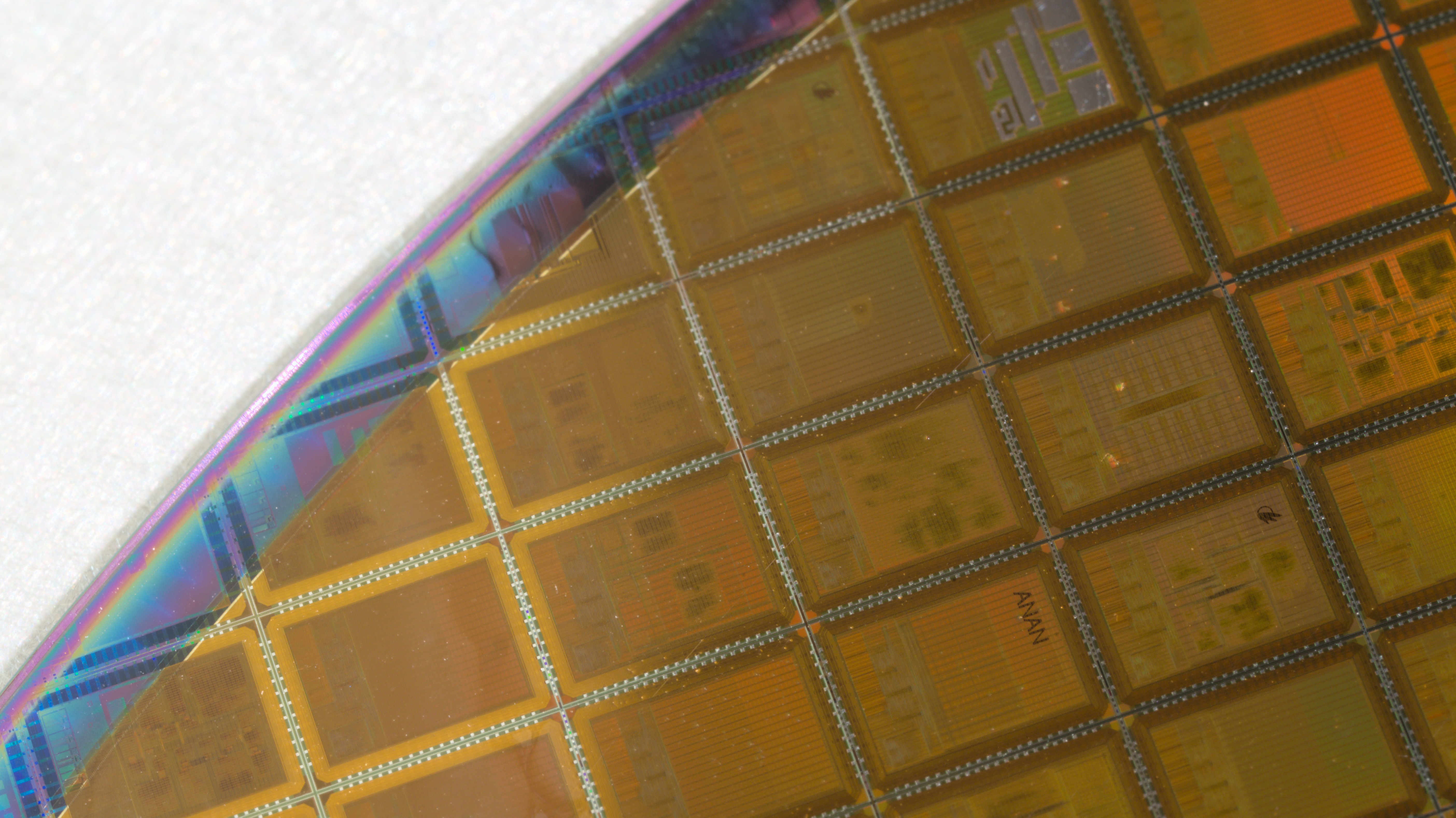
Take home a complete 200mm wafer with your design alongside other Run 2 projects.
Requires slot purchase
Add to Order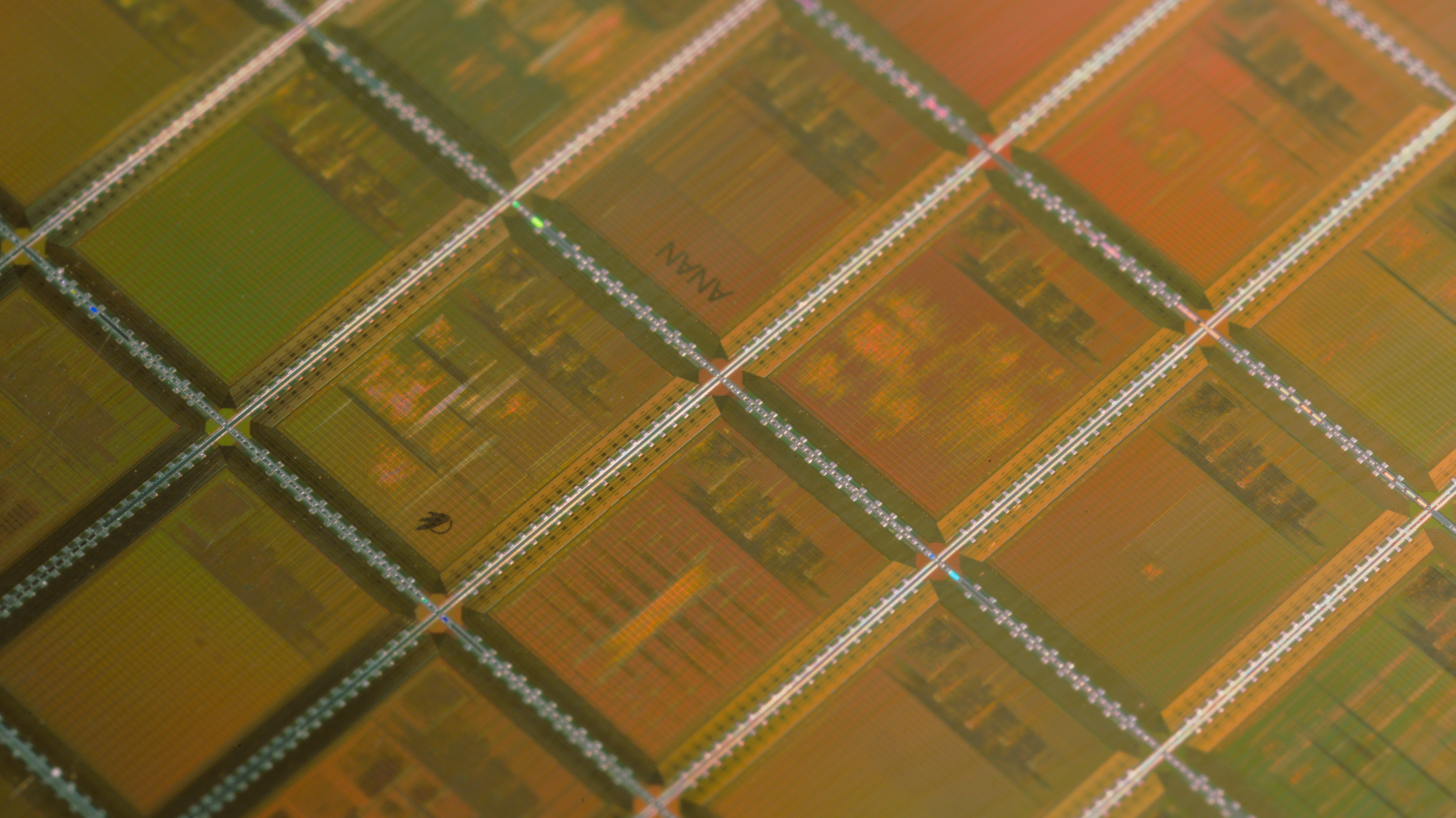
Hard upper bounds — if you packed cells edge-to-edge with zero routing overhead
Flip-Flop (FF_1)
per mm² theoretical max
Buffer (BUF_4)
per mm² theoretical max
3-input AND (AND3_2)
per mm² theoretical max
Typical Range
logic cells/mm² for most digital designs
across 24 designs
| Design | Library | Core SC/mm² | % of max | Logic Cells | SRAM |
|---|---|---|---|---|---|
| Cloneless1 | 7t-5V | 22k | 44% | 316k | 0 |
| Tiny Tapeout (52 sub-designs) | mixed | 14k | 29% | 204k | 0 |
| FABulous FPGA | 7t-5V | 14k | 29% | 204k | 12 |
| Chess Move Gen. | 9t-5V | 10k | 25% | 145k | 0 |
| FazyRV Hachure | 7t-5V | 7k | 14% | 101k | 40 |
| KianV RISC-V | 9t-5V | 6k | 16% | 89k | 42 |
| Racquet 23-core | 7t-5V | 5k | 11% | 78k | 46 |
Data from the Run 1 Density Report. Logic cell counts exclude infrastructure cells (fillers, taps, antenna diodes). “% of max” compares against buf theoretical max for each library (50k for 7-track, 40k for 9-track).
| Cell Type | 1×1 Slot | 0.5×1 Slot | 1×0.5 Slot |
New! 0.5×0.5 Slot |
|---|---|---|---|---|
| Flip-Flop (FF_1) | ~185,014 | ~63,867 | ~71,886 | ~24,774 |
| Buffer (BUF_4) | ~393,156 | ~135,718 | ~152,759 | ~52,644 |
| 3-input AND (AND3_2) | ~508,790 | ~175,635 | ~197,688 | ~68,127 |
Theoretical maximums with zero routing overhead. Run 1 designs typically achieved 10–44% of these values.
| SRAM Type | Voltage | 1×1 Slot | 0.5×1 Slot | 1×0.5 Slot | 0.5×0.5 Slot |
|---|---|---|---|---|---|
| GF 5V sram512x8 | 5V | 40 kilobytes (80 blocks) | 20 kilobytes (40 blocks) | 20 kilobytes (40 blocks) | 10 kilobytes (20 blocks) |
| GF 5V sram256x8 | 5V | 28 kilobytes (112 blocks) | 14 kilobytes (56 blocks) | 14 kilobytes (56 blocks) | 7 kilobytes (28 blocks) |
| 3.3V sram1024x8 | 3.3V | 108 kilobytes (108 blocks) | 54 kilobytes (54 blocks) | 48 kilobytes (48 blocks) | 24 kilobytes (24 blocks) |
| 3.3V sram512x8 | 3.3V | 90 kilobytes (180 blocks) | 45 kilobytes (90 blocks) | 42 kilobytes (84 blocks) | 21 kilobytes (42 blocks) |
| 3.3V sram256x8 | 3.3V | 66 kilobytes (264 blocks) | 33 kilobytes (132 blocks) | 33 kilobytes (132 blocks) | 16.5 kilobytes (66 blocks) |
Block counts use die area minus seal ring (26µm each side). Run 1’s most SRAM-heavy design (RISCBoy-180) used 60 blocks in a full slot.
Theoretical numbers use core area (with default pad ring). Using your own pad ring or no pad ring increases available area.
Real designs achieve 10–44% of theoretical max due to routing overhead, infrastructure cells (~75% of instances), power planning, and clock distribution.
3.3V SRAM blocks from Tim Edwards and Tholin, introduced in Run 1.
Full analysis: Run 1 Standard Cell & SRAM Density Report.